18 Common Oral Diseases and Conditions (And When To See a Dentist)


Reader-supported. We may earn a commission from links on this page. Advertising disclosure.
In this article
Oral diseases and conditions affect nearly half the world’s population, and most are preventable or treatable when caught early.4 Your oral health is tied to the health of your entire body, so spotting issues early is one of the most useful habits you can build.
This guide covers the 18 most common oral diseases and conditions you’re likely to encounter, what each one looks like, and which spoke pages on NewMouth go deeper.
18 Common Oral Diseases and Conditions
What’s the difference between a condition and a disease? “Conditions” tend to be reversible or manageable — bruxism, dry mouth, and halitosis often respond to behavioral changes or simple treatment. “Diseases” cause structural damage if untreated — cavities destroy enamel, periodontitis destroys bone, and oral cancer spreads. The line isn’t always crisp — gingivitis, for example, is technically the mildest form of gum disease — but the framing helps you sort which issues need a same-week dental visit and which can wait for your next cleaning.
| Most common | Most serious |
|---|---|
| Cavities, gingivitis, bad breath, tooth sensitivity, dry mouth | Oral cancer, periodontitis, dental abscess, oral thrush (in immunocompromised patients) |
Here’s a breakdown of each.
1. Cavities (Tooth Decay)
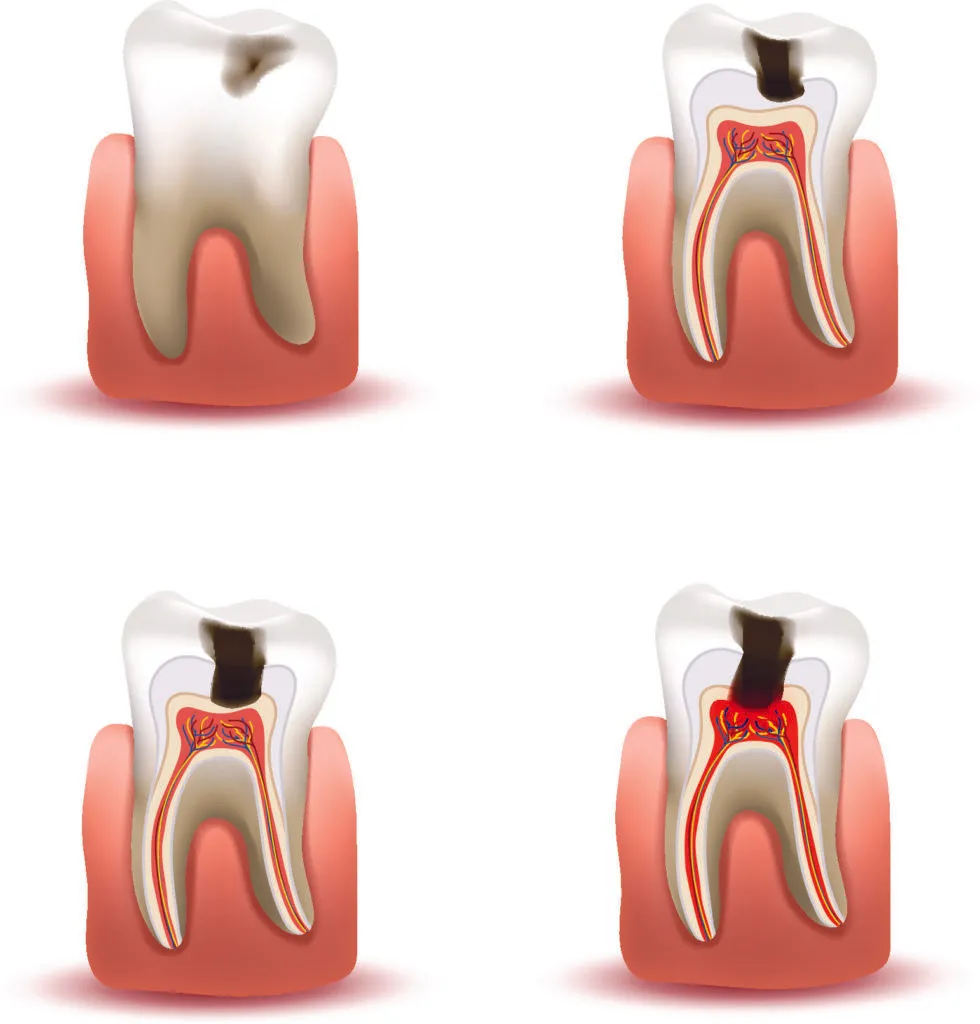
Tooth decay affects 90% of U.S. adults ages 20 to 64.3 A cavity is a hole in your tooth caused by bacteria feeding on sugar and producing acid that wears through enamel.
Common signs:
- A chalky white or light brown spot on the enamel — at this stage, fluoride and saliva can sometimes stop or reverse the damage before a hole forms
- Tooth pain when biting or chewing
- Sensitivity to hot, cold, or sweet foods
Once enamel breaks down into a true cavity, the damage is permanent and needs a dentist’s attention — usually a filling or crown. Left alone, decay reaches the pulp and may require a root canal or extraction.1
2. Gingivitis and Periodontitis
Bleeding gums when you brush are usually the first sign of gingivitis — the mildest form of gum disease, and the warning shot before something more serious.2 Gingivitis causes inflammation but no permanent damage, and it’s reversible with better hygiene and a professional cleaning.
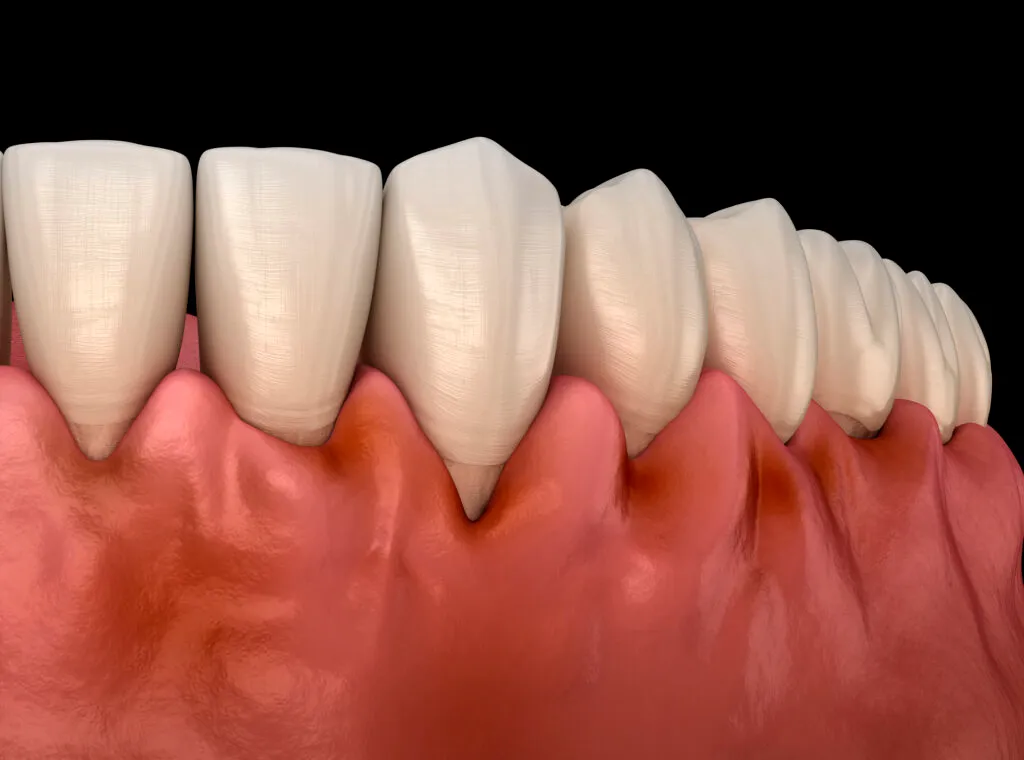
Untreated gingivitis can progress to periodontitis, the more advanced form of gum disease. Periodontitis damages the soft tissue and bone that support your teeth, and affects 42% of U.S. adults age 30 and older.2
Symptoms of periodontitis:
- Persistent bleeding, swollen, or receding gums
- Bad breath that doesn’t go away with brushing
- Loose teeth or a change in your bite
- Heavy buildup of plaque or tartar
Plaque buildup from poor oral hygiene is the primary driver, but smoking, diabetes, certain medications, genetics, and other health conditions all raise your risk.2
3. Bad Breath (Halitosis)
About 30% of people deal with chronic bad breath.5 Common causes of halitosis include tobacco use, high-sugar diets, dry mouth, certain foods, and poor oral hygiene.6
When to take it seriously:
- It persists despite brushing, flossing, and tongue cleaning
- It’s paired with bleeding gums (a gum-disease signal)
- It’s paired with a metallic taste or sores
A dentist can usually pinpoint the source. Persistent bad breath that doesn’t respond to home care is worth a visit — it can be a symptom of gum disease, an infection, or a systemic issue.
4. Dry Mouth (Xerostomia)
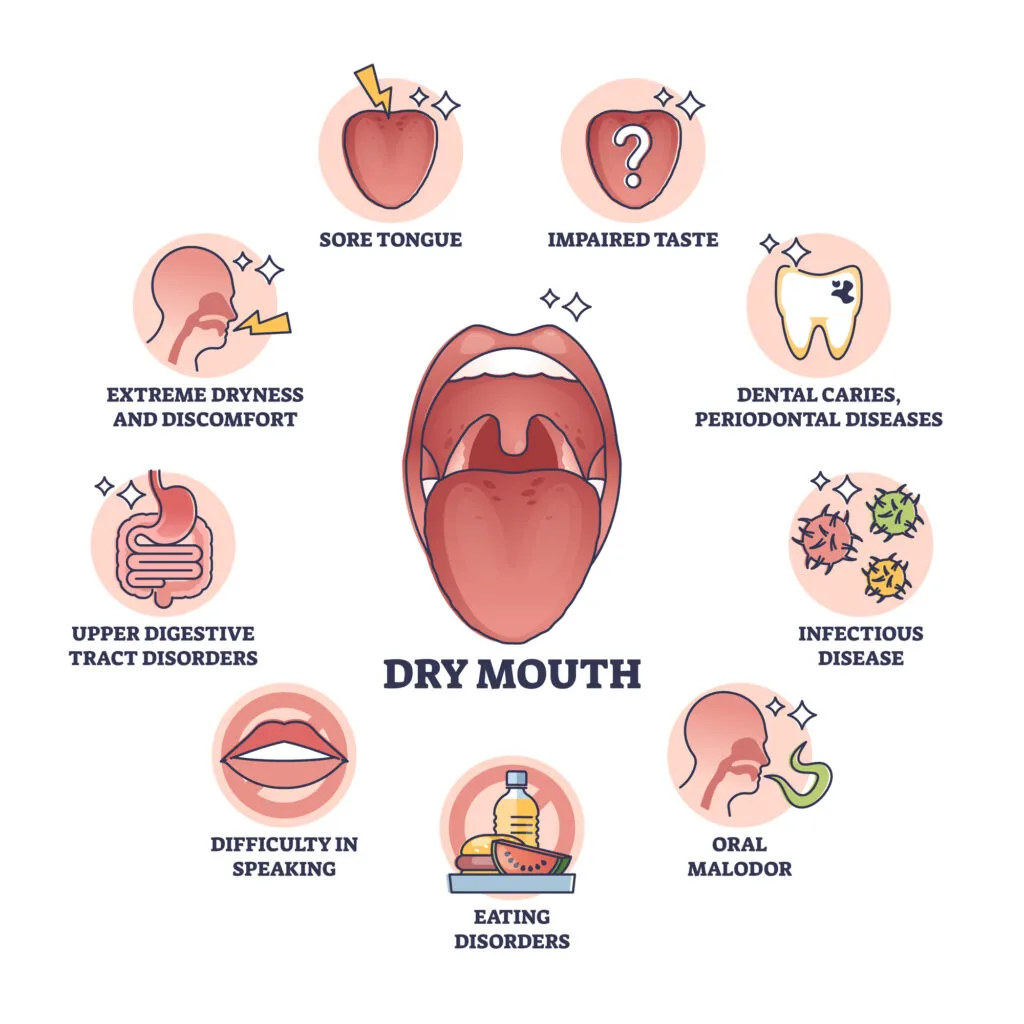
About 1 in 4 people experience dry mouth, a chronic shortage of saliva that makes the mouth feel sticky, sore, or hard to swallow in.7 Dry mouth is not a normal part of aging — older adults are more likely to have it because of medications or underlying health conditions, not age itself.8
Common causes:
- Hundreds of medications, including antihistamines, antidepressants, and blood-pressure drugs
- Cancer treatments (especially radiation to the head and neck)
- Tobacco, alcohol, or marijuana use
- Autoimmune diseases like Sjögren’s syndrome
- Nerve damage from injury or surgery
Untreated dry mouth raises your risk of cavities, gum disease, and oral thrush, so it’s worth flagging to your dentist or doctor.8
5. Tooth Sensitivity
Sharp pain when you sip cold water, bite into something sweet, or breathe in cold air is the classic tooth sensitivity signal. It happens when the dentin layer beneath your enamel becomes exposed, letting temperature and pressure reach the nerve.
Common causes:
- Grinding or clenching, especially during sleep
- Cracked or chipped teeth
- Tooth decay or worn fillings
- Gum recession that exposes the roots
- Aggressive brushing or hard-bristled toothbrushes
- Frequent acidic foods or drinks
- Overuse of whitening treatments
A dentist can match the cause to the fix — desensitizing toothpaste, a night guard, fluoride treatments, or a filling — depending on what’s driving it.
6. Dental Plaque and Calculus
That fuzzy feeling on your teeth when you skip brushing is dental plaque — a sticky film of bacteria that builds up after you eat starches and sugars.9 Plaque erodes enamel and irritates gums when it isn’t removed daily.
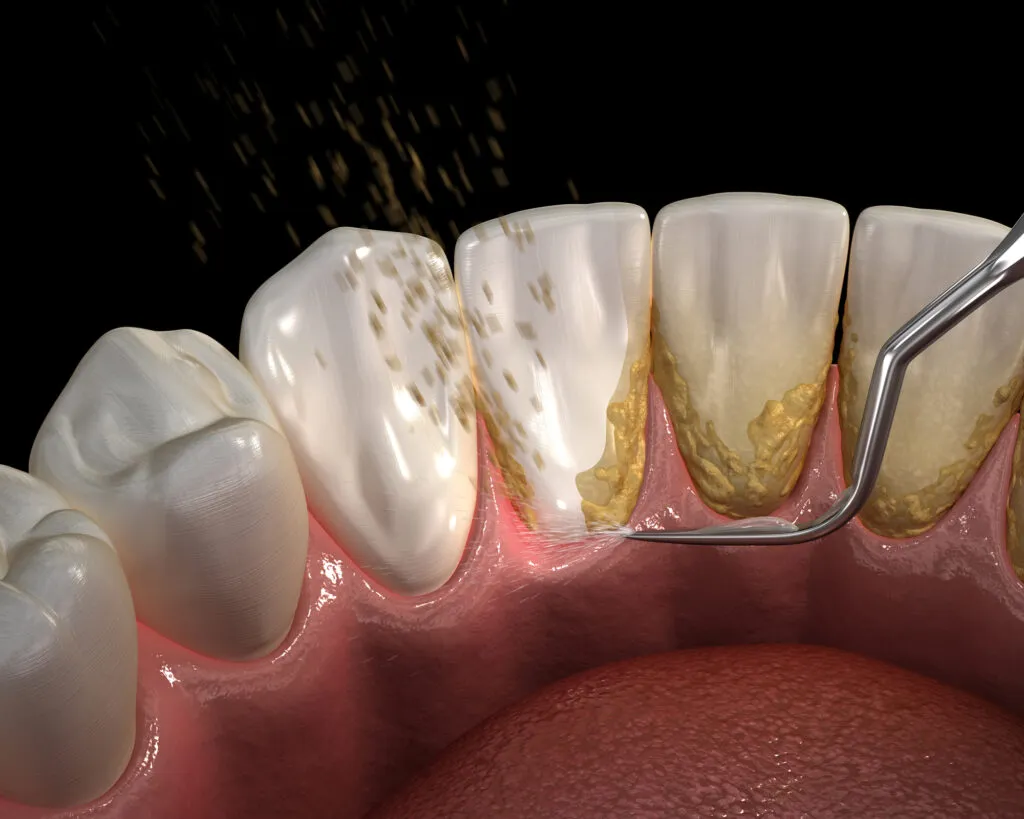
If plaque stays on your teeth for 24 to 72 hours, it hardens into tartar (also called calculus). Tartar bonds to enamel and roots and can only be removed with professional cleaning or scaling and root planing.9
Brushing twice daily, flossing once a day, and getting two cleanings a year keeps the plaque-to-tartar cycle in check.
7. Cracked Tooth Syndrome
A sharp pain when you bite down at a certain angle — and nothing on the X-ray — is the classic sign of cracked tooth syndrome. Cracks can result from injury, normal wear and tear, or grinding and clenching.10
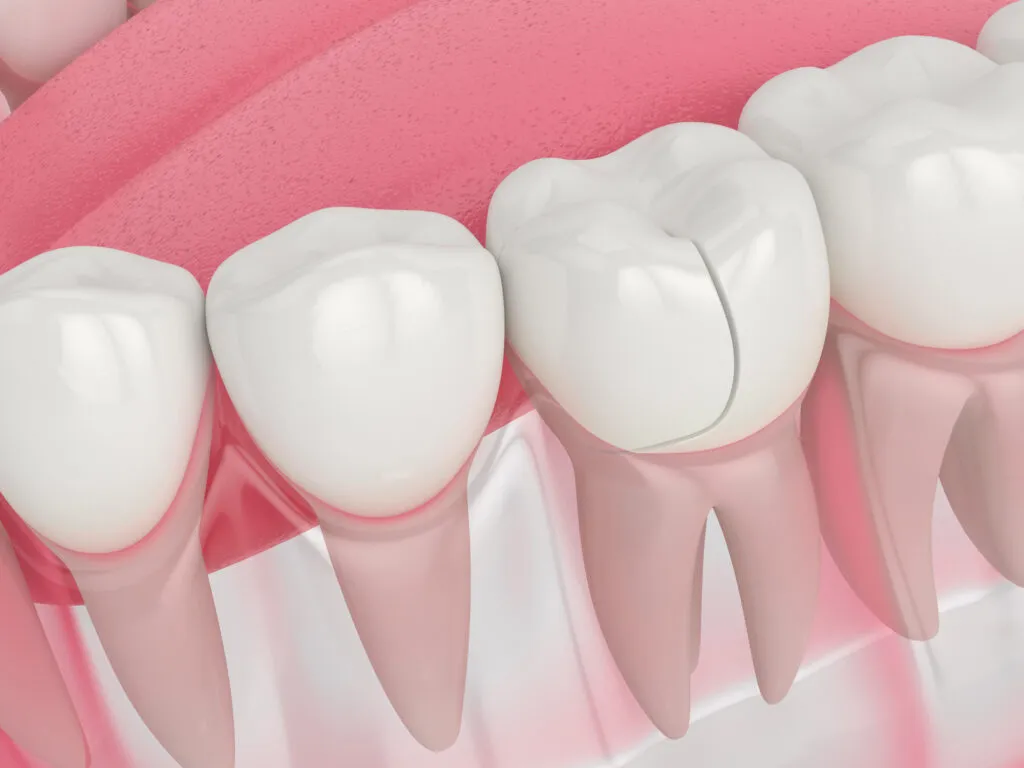
Signs of a cracked tooth:
- Sharp pain that comes and goes when biting
- Sensitivity to hot, cold, or sweet foods
- Pain that’s hard to pinpoint to a single tooth
Cracks tend to worsen with time and don’t heal on their own. A dentist may treat them with a bonded filling, an onlay, a crown, or — if the crack reaches the pulp — a root canal.10
8. Dental Anxiety
Roughly 15% of adults worldwide report dental fear or anxiety, and about 3% experience it severely.11 If the chair makes you tense, you’re not alone — and there are practical fixes.
Dental anxiety doesn’t have to mean skipping care. Tell your dentist what scares you (needles, sounds, gagging, loss of control), and ask about pacing, hand signals, headphones, or sedation dentistry. For severe phobia, a short course of anti-anxiety medication or IV sedation makes longer procedures manageable.
9. Oral Thrush
Oral thrush is a yeast infection that causes creamy white patches on your tongue, cheeks, or palate — patches that wipe off and leave a sore red base. Oral thrush is caused by an overgrowth of the Candida fungus that normally lives in your mouth.
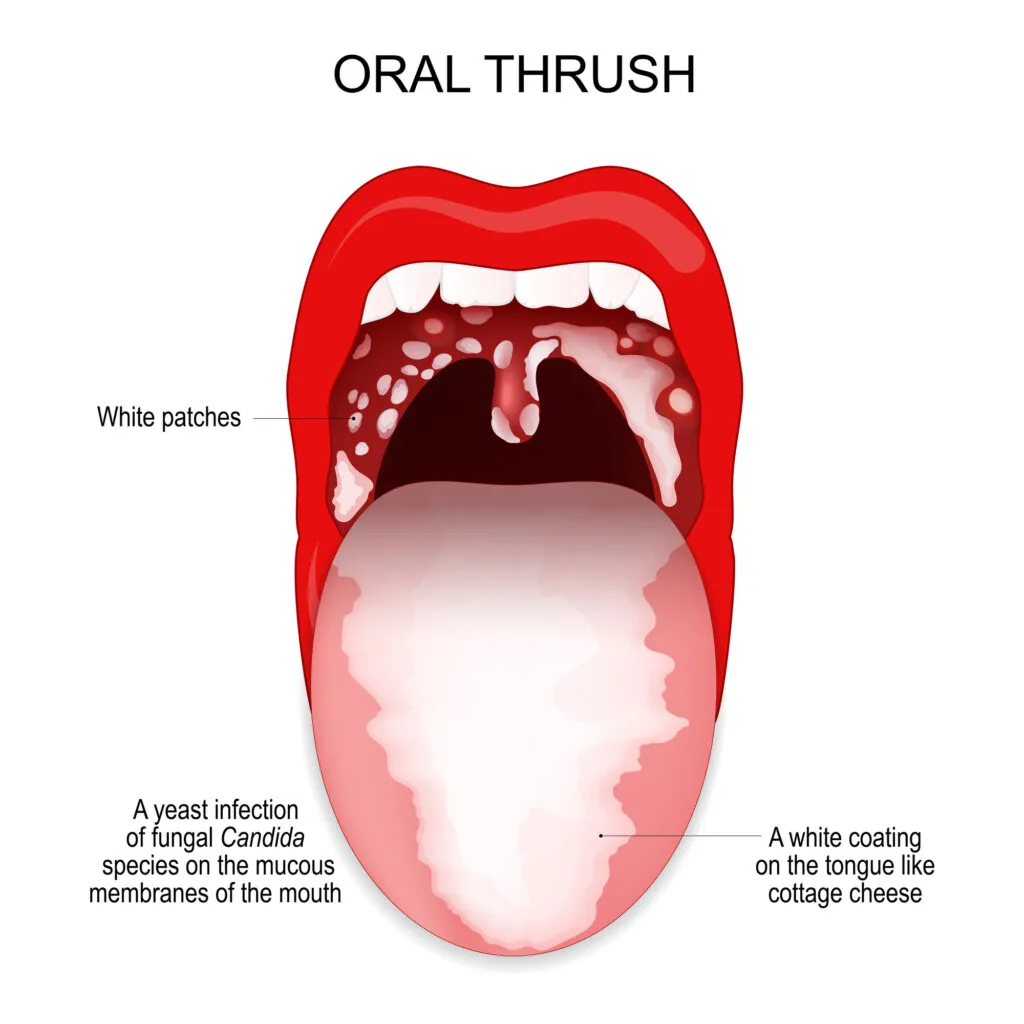
Higher-risk groups:
- People with diabetes, HIV/AIDS, or cancer
- Anyone taking antibiotics, inhaled corticosteroids, or chemotherapy
- Denture wearers
- People with dry mouth
- Infants and older adults
- Smokers12
Mild cases in healthy adults sometimes clear on their own, but most people need a prescription antifungal mouth rinse or lozenge.
10. Oral Cancer
A mouth sore that doesn’t heal in two weeks is the single most important oral-cancer warning sign — and the reason early detection saves lives.13 Oral cancer includes cancers of the lips, tongue, cheeks, floor of the mouth, palate, and throat.
Symptoms that warrant a same-week dental visit:
- A mouth sore or ulcer that doesn’t heal within two weeks
- Red or white patches inside the mouth
- A lump or thickening in the cheek, neck, or tongue
- Persistent pain or numbness in the mouth or lips
- Difficulty chewing, swallowing, or moving the jaw
- A persistent sore throat or hoarseness13
Tobacco, heavy alcohol use, and HPV infection are the biggest risk factors. Survival rates are dramatically higher when oral cancer is caught at an early, localized stage — which is why every routine dental exam includes an oral cancer screening.13
11. Temporomandibular Joint Disorder (TMD)
About 11 to 12 million U.S. adults have pain in the temporomandibular joint region.14 TMD causes pain in the jaw joint and surrounding muscles, and interferes with chewing, talking, and yawning.
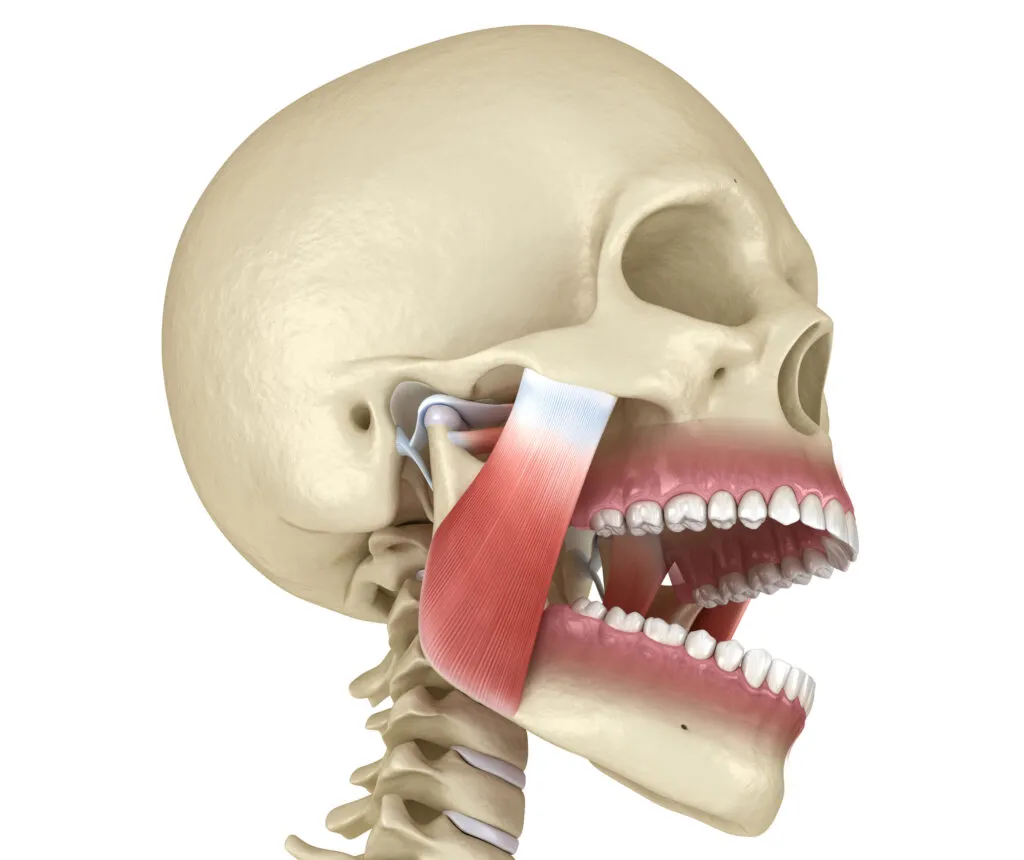
Common triggers:
- Long-term teeth grinding or clenching (see §14)
- Jaw injury or whiplash
- Arthritis in the joint
- Stress that tightens jaw muscles
Conservative care comes first: soft foods, heat or cold, gentle jaw exercises, over-the-counter pain relievers, and cutting back on clenching or gum chewing. A dentist may suggest a night guard or other intraoral appliance, but the NIDCR notes evidence for TMD pain relief is limited. Avoid treatments that permanently change your bite or joint — the NIDCR warns against irreversible procedures unless other options have failed.14
12. Gum Recession
Teeth that look longer than they used to — or new sensitivity near the gum line — are the early signs of gum recession. Recession exposes the tooth’s root and raises your risk of decay and sensitivity.
Common causes:
- Periodontitis (the leading cause)
- Aggressive brushing or hard-bristled toothbrushes
- Genetics and tooth position
- Tobacco use
- Long-term grinding or clenching
- Poorly fitting dentures or orthodontic appliances
Gums don’t grow back, but recession can be slowed or stopped.15 Mild cases are managed with gentler brushing, scaling and root planing, or desensitizing treatments. More significant recession is treated with gum graft surgery, the most predictable long-term option.15
13. Dental Erosion
Frequent soft drinks, citrus, sports drinks, and acid reflux are the most common drivers of dental erosion — the gradual loss of enamel from acid rather than bacteria.16 Erosion is common among children and adolescents who drink high-acid beverages regularly.
Signs of eroded enamel:
- Teeth that look yellow at the edges (the underlying dentin showing through)
- Translucent or chipped tooth edges
- Sensitivity to hot, cold, or sweet foods
- Smooth, cup-shaped indentations on chewing surfaces
You can slow erosion by drinking acidic beverages with a straw, rinsing with water after, waiting an hour before brushing to let saliva re-harden the enamel, and treating reflux. A dentist can rebuild eroded surfaces with bonding, veneers, or crowns when the damage is significant.
14. Bruxism
Bruxism — the medical term for grinding or clenching your teeth, often during sleep — affects roughly 1 in 10 adults and is one of the most common causes of jaw pain, headaches, and tooth wear.17 Many people don’t realize they grind until a partner hears it or a dentist spots flattened, worn-down teeth.
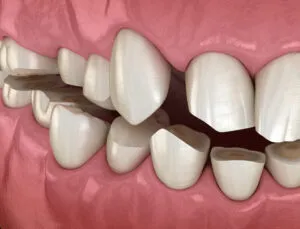
Symptoms and complications:
- Dull morning headaches or jaw pain
- Worn, flattened, or chipped teeth
- Increased tooth sensitivity
- TMD symptoms (popping, clicking, locked jaw)
- Disrupted sleep, sometimes linked to sleep apnea
Treatment usually combines a custom night guard, stress-reduction techniques, and dental repair for damaged teeth. In some cases, a doctor may prescribe a muscle relaxant or treat an underlying sleep disorder.17
15. Mouth Breathing
If you wake up with a parched mouth, sore throat, or morning breath that won’t quit, mouth breathing overnight is a likely cause. Breathing through your nose warms, moistens, and filters the air — breathing through your mouth bypasses all three.
Why it matters:
- It dries out saliva, raising cavity and gum-disease risk
- It’s linked to snoring and obstructive sleep apnea
- In children, chronic mouth breathing can affect jaw and facial development
- It worsens bad breath
Most causes are treatable — nasal congestion, allergies, a deviated septum, or enlarged tonsils and adenoids. Talk to your dentist or a sleep-medicine doctor if mouth breathing is paired with snoring or daytime fatigue.
16. Dental Abscess
A dental abscess is a pocket of pus caused by a bacterial infection, usually at the root of a tooth or in the gums. It’s a dental emergency — abscesses don’t resolve on their own and can spread to the jaw, neck, or bloodstream.18
Symptoms that need same-day care:
- Severe, throbbing tooth pain
- Swelling in the face, cheek, or neck
- Fever
- A bad taste or foul drainage in the mouth
- Pain when chewing or biting
Treatment usually involves draining the abscess and treating the source — a root canal for an infected tooth, deep cleaning or surgery for a gum abscess, or extraction if the tooth can’t be saved. Antibiotics may be prescribed if the infection has spread.18
17. Burning Mouth Syndrome
Burning mouth syndrome causes a chronic burning or scalding sensation on the tongue, lips, or roof of the mouth — without visible sores or obvious cause.19 It’s most common in postmenopausal women but can affect anyone.
Common triggers:
- Nutritional deficiencies (B vitamins, iron, zinc)
- Dry mouth
- Acid reflux
- Allergic reactions to dental materials or foods
- Hormonal changes
- Anxiety or depression
Diagnosis is often a process of elimination, and treatment depends on the cause — supplementing a deficiency, treating dry mouth, or addressing reflux. When no clear cause is found, doctors may prescribe medications that calm the nerve signals driving the burning.19
18. Gingival Hyperplasia
Gingival hyperplasia — also called gingival overgrowth — is an enlargement of gum tissue that can partially cover the teeth. The most common cause is a side effect of certain medications, including some seizure drugs, calcium-channel blockers, and immunosuppressants.20
Common causes:
- Long-term plaque buildup and inflammation
- Medications (phenytoin, cyclosporine, nifedipine, and others)
- Genetic conditions
- Hormonal changes during pregnancy
Treatment focuses on the cause: better daily plaque control, professional cleanings, and — when a medication is the trigger — a conversation with the prescribing doctor about alternatives. Severe cases may need a surgical procedure called a gingivectomy to reshape the gums.20
When to See a Dentist
Most oral conditions are easier to treat the sooner you catch them. The list below covers the symptoms that warrant a dental visit within a week, not at your next routine cleaning.
See a dentist this week if you have:
- A mouth sore, ulcer, or red/white patch that hasn’t healed in two weeks (oral cancer red flag)
- Severe tooth pain, throbbing pain, or facial swelling (possible abscess)
- Bleeding gums for two weeks or more despite good brushing and flossing
- A loose adult tooth or a tooth that’s shifted position
- Sharp pain when biting that doesn’t resolve in a few days
- Jaw locking, jaw popping with pain, or trouble opening your mouth
- Persistent dry mouth, burning mouth, or a metallic taste
For severe pain, facial swelling, or fever, seek same-day dental or emergency care. If you’re having trouble breathing or swallowing, go straight to the emergency room or call 911 — a dental infection that’s spreading into the airway is a hospital-level emergency, not something to wait on. For everything else, your routine twice-yearly dental visit is the best early-warning system you have.
15 Common Types of Oral Conditions & Dental Diseases
NewMouth Podcast15 Common Types of Oral Conditions & Dental Diseases
NewMouth PodcastSources
- “Cavity Facts.” Centers for Disease Control and Prevention, U.S. Department of Health and Human Services, 2024.
- “Gum Disease Facts.” Centers for Disease Control and Prevention, U.S. Department of Health and Human Services, 2024.
- “Oral Health in America - April 2022 Bulletin.” National Institute of Dental and Craniofacial Research, National Institutes of Health, 2022.
- “Oral Health.” World Health Organization, 2025.
- Villa, A. “Bad breath: What causes it and what to do about it.” Harvard Health Publishing, Harvard Medical School, 2019.
- “Bad Breath.” MouthHealthy, American Dental Association, n.d.
- Agostini et al. “How Common is Dry Mouth? Systematic Review and Meta-Regression Analysis of Prevalence Estimates.” Brazilian Dental Journal, National Library of Medicine, 2018.
- “Oral Health for People With Dry Mouth.” Health Resources and Services Administration, U.S. Department of Health and Human Services, 2023.
- “Plaque.” MouthHealthy, American Dental Association, n.d.
- “Cracked Teeth.” American Association of Endodontists, n.d.
- Silveira et al. “Estimated prevalence of dental fear in adults: A systematic review and meta-analysis.” Journal of Dentistry, National Library of Medicine, 2021.
- “Risk Factors for Candidiasis.” Centers for Disease Control and Prevention, U.S. Department of Health and Human Services, 2024.
- “Oral Cancer.” National Institute of Dental and Craniofacial Research, National Institutes of Health, n.d.
- “TMD (Temporomandibular Disorders).” National Institute of Dental and Craniofacial Research, National Institutes of Health, 2025.
- “Gum Recession.” Cleveland Clinic, 2022.
- “Dental Erosion.” American Dental Association, 2025.
- “Bruxism.” National Institute of Dental and Craniofacial Research, National Institutes of Health, 2025.
- “Abscess.” MouthHealthy, American Dental Association, n.d.
- “Burning Mouth Syndrome.” National Institute of Dental and Craniofacial Research, National Institutes of Health, n.d.
- Tungare, S., and Paranjpe, A.G. “Drug-Induced Gingival Overgrowth.” StatPearls, National Library of Medicine, 2022.

Experienced general dentist and adjunct professor. Advocates for preventive dentistry and dental education.

Lead content writer and certified nutritionist focusing on clear aligners and teeth whitening.
Related Articles

Alzheimer's and Oral Health
A recent study has linked gum disease to Alzheimer's. This article talks about these two conditions and their connection...

5 Best Cordless Water Flossers for 2026
Looking for the best cordless water flosser? Here are our top 5 picks. We analyzed dozens of products available to help...
The Best Night Guards for Bruxism, According to Dentists
We rate SmileSet the best night guard for teeth grinding in 2026, with JS Dental Lab, Pro Teeth Guard, Sporting Smiles,...
Braces Statistics and Facts
Twisted, squeezed together, or stubbornly hiding, your teeth can surprise you in many ways. No wonder orthodontics brace...